We built what we thought the world needed
· Ethereum · Originally published on Twitter
We built what we thought the world needed, not what it wanted.
That’s why we failed.
We wanted organizations that would live in the cloud and only follow hard rules. We built a property ledger that could be used by anyone to manage anything. We wanted an open backend for an open internet. We built a way for people to invest directly into anything.
The world wanted penny stocks and ape pictures. They wanted quick money and cassinos that were open 24/7.
The other day I was reading the docs to invest in a promising startup and realized my money was going to a fund, structured like an spv, who owned shares in a cayman corp, who had a deal with a Delaware llc who was three levels away from the actual cap table. It’s standard.
We built a better system in 2016. You could buy directly from founders, own directly in your wallet, liquid.
The world used it for pumping scams. Nobody else ever wanted to touch that.
I pay my taxes. I don't see where they go. I vote. I can't track where the vote is counted. I can't build my own dashboard. We built a better system than that in 2015. I went to Brasilia and touted that we could "build a better democracy with 100 lines of code". That was probably one of the highlights of my carrier.
I would say the ENS DAO was the model of how everything else should work: transparent, hard rules, uncorruptable.
But the problem is that people are hard to govern, even under the best rules. And we ended up reinventing a lot of existing governance structures to fix our own failings.
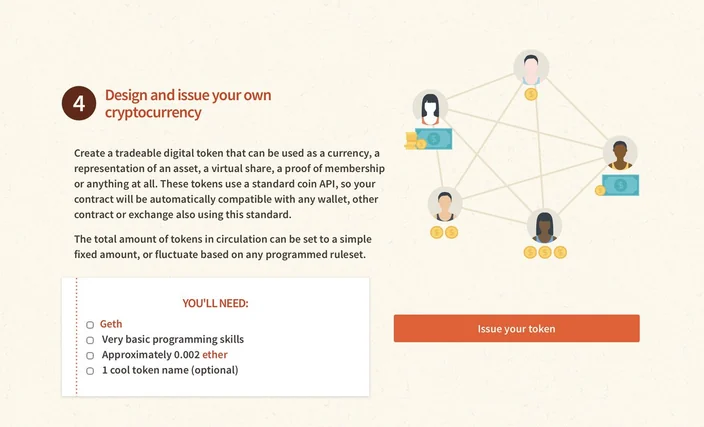
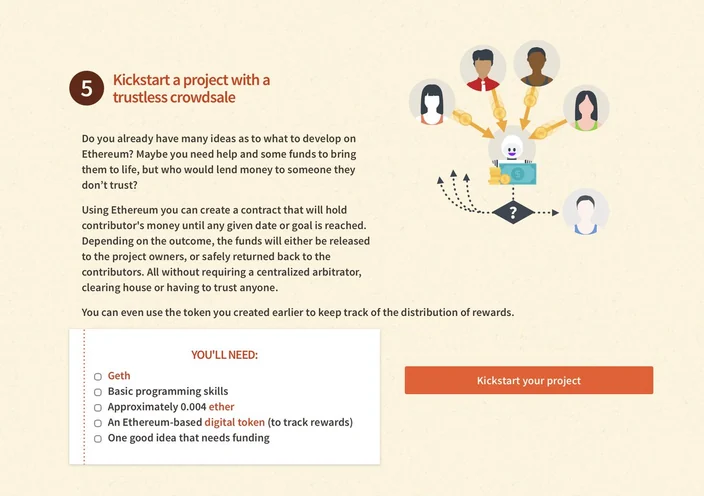
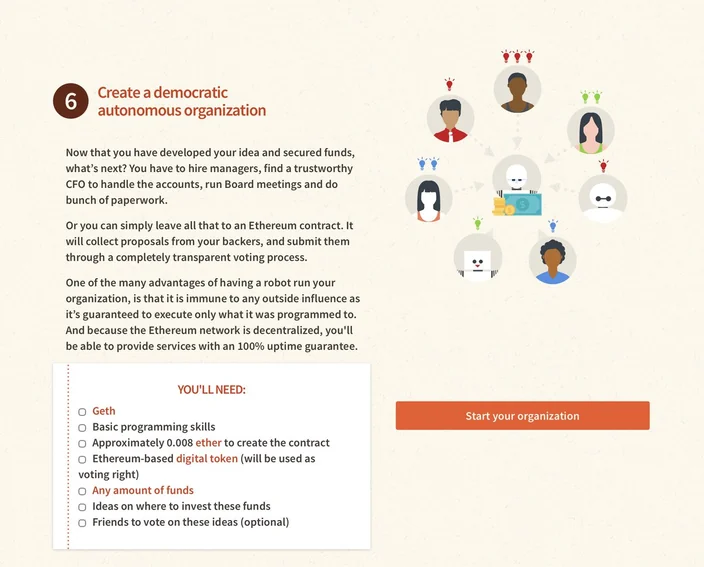
This was the ethereum website in 2015. I was the one pushing these pixels and writing the texts. No one told me what to do, I don't even remember how I got assigned the task of building it – I just showed up. Tokens, Crowdsales, DAOs, it was all there. It's quite naïve in retrospect.